
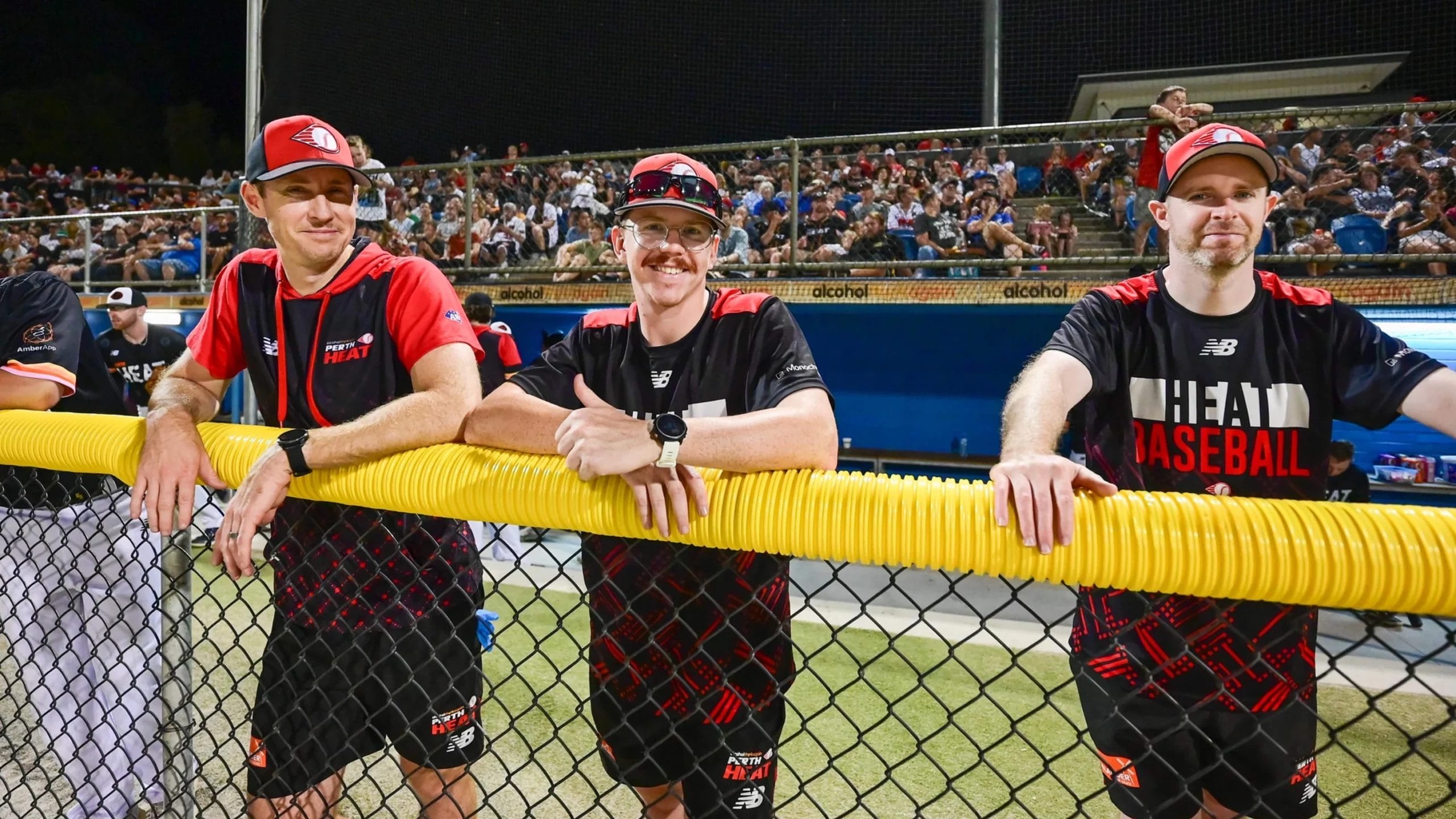
Perth Heat Physio Partners: Supporting Perth Baseballers
When it comes to elite baseball players, whether they’re training for competition or recovering from the rigors of a demanding season, maintaining peak performance and staying injury-free are essential. That’s where Perth Baseball Physio comes in. With years of expertise in sports physiotherapy, particularly for baseball players, we are the Perth Baseball Physios, offering specialised services tailored to the unique demands of the sport. From injuries on the field to improving overall performance, treatment can play a critical role in keeping local athletes at the top of their game. Operating out of two convenient physio clinic locations, in Leeming and Palmyra, we provide comprehensive care that ensures each baseball player, whether an amateur or professional, receives the attention they need for recovery and prevention. One of the most crucial areas we focus on, especially for baseball players, is arm care—and this is where our expertise truly shines. Why Arm Care is Crucial for Baseball Players Baseball players, particularly pitchers, subject their arms to immense stress throughout the season. The repetitive motion of throwing, especially at high velocity, places significant strain on the shoulder, elbow, and forearm. Over time, these stresses can lead to wear and tear, resulting in injuries ranging from rotator

Achilles Tendinopathy: A pain in the back of the heel
What is the Achilles tendon? Tendons are the structures that join our muscles to bones. They are made of a unique type of connective tissue and are capable of tolerating very high load. The Achilles tendon attaches our calf muscles to the heel bone and is the largest and strongest tendon in the body. It is the main reason why we are very springy in the leg – and is crucial for any running, jumping and hopping. What is Achilles tendinopathy and how did I get it? Whenever there is pain, inflammation, structural change or loss of function in a tendon, we call it a tendinopathy. While tendons are very strong, they like to have predictable patterns of load. They typically don’t respond well to sharp increases or decreases in how much work they are doing. For example, if you usually run 2km, three times a week and then all of a sudden you increase that to 10km, there is a high chance that you will upset the tendon. Why is Physio important for Achilles injuries? As the Achilles tendon is used whenever we are on our feet, having an unhealthy tendon can be very debilitating. The first few sessions

Why are my neck and shoulders always tight and sore??
Many of us experience tightness and neck and shoulder pain as part of our day to day lives, either intermittently or bothering us on a consistent basis. Generally, we will exacerbate the pain with long periods of sitting at a desk, or with stressful periods at work or home. For some, we may even feel a throbbing headache that comes on with the neck tightness. It’s likely that you would have tried stretching and possibly deep tissue massage, but the discomfort still doesn’t seem to go away. Here’s why: As we get more tense and fatigued, our shoulders tend to round forwards. The collarbones raise up from their ideal position, while the ribcage will become lower. These changes in position prevent our diaphragm from expanding properly and result in us developing stiffness in the mid-back and ribs. This makes our breathing much less efficient. Exercises for neck and shoulder pain To increase the efficiency of breathing, the body naturally drives the head forwards while increasing tension in the neck and shoulder muscles. Some of us might also arch the lower back to try to open-up the chest, leading to lower back pain as well! Stretching and massaging may relieve the

Shoulder pain… have you heard of your rotator cuff?
Shoulder pain is one of the most common complaints that we see in the clinic. There are 2 main reasons for this: What is the rotator cuff? The rotator cuff is a group of 4 muscles that stabilise the shoulder joint while it is moving. They are only small muscles, but they punch above their weight when is comes to movement and stability of the shoulder. Whenever your arm is moved away from your body, the rotator cuff muscles work hard to keep the ball positioned nicely within the socket. As a result of the constant work they are doing, the rotator cuff muscles are susceptible to injury. What does rotator cuff pain feel like? How it is managed? While rotator cuff injuries can be debilitating, there are strategies to manage and alleviate the associated pain. If you have been experiencing shoulder pain, get in touch with one of our experienced Physios. We will assess what is causing your discomfort and guide you through the rehabilitation process.
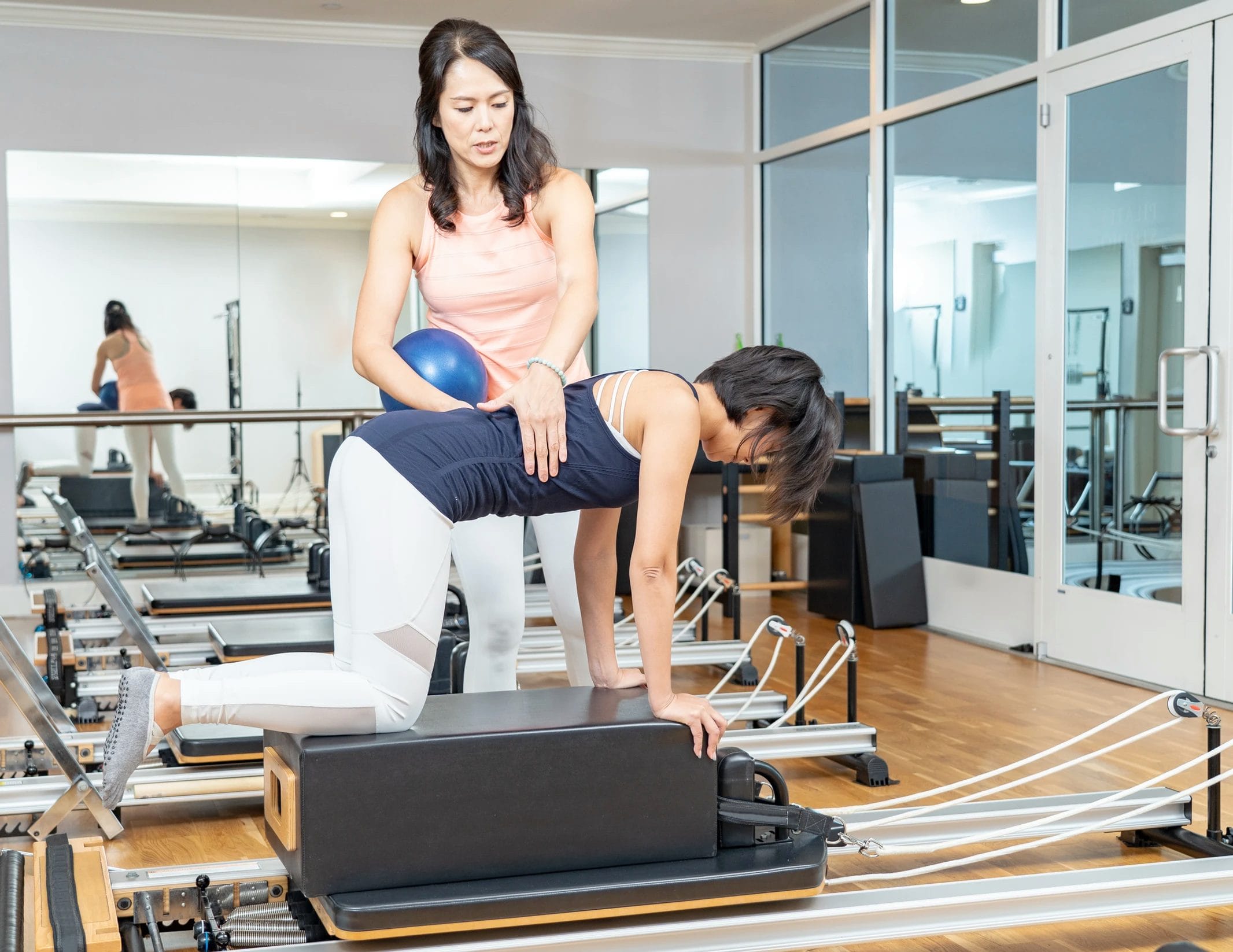
Clinical Pilates, Pilates & Yoga
Here’s the difference and how to choose which is best for you! Pilates is a form of exercise that targets the core stabilising muscles. With this strong foundation engaged and working effectively, your body will benefit from improved; These positive effects help to build your body’s overall resilience and will greatly decrease the chance of long term injury. The key principles of Pilates include breathing, concentration, control, precision and flow. These principles are applied across different styles of Pilates equipment, from the simple (but challenging) mat, to the more complex reformer and Wunda chair. We can then make these easier or more difficult with the addition of weights, balls and the Pilates ring. Clinical Pilates and Pilates – The difference… Pilates classes (that you will find at your local gym or Pilates studio) are run by instructors that are trained in the principles of Pilates and the many different types of Pilates exercises. Clinical Pilates however, is run by Physiotherapists who have done additional specialty training. Clinical Pilates classes are typically smaller, meaning the Physio is able to keep a very close eye on your technique and offer variations in an exercise when required. When is Clinical Pilates more beneficial?

Preventing Falls – Don’t be a statistic!!
It is scary to think that falling is one of Australia’s leading causes of hospitalisation – and majority of these injuries are experienced by people over the age of 70. A big reason for this is that as we get older, our muscle strength, bone strength and ability to correct our balance all decline. As a result, when you misstep, catch your foot on something or get bumped in a busy environment, the ability to regain your balance or to absorb the impact of hitting the ground are greatly diminished. Preventing falls in older adults is important, as they can cause serious injuries; anything from muscle and tendon tears in the shoulder to fractures of arm, hip and pelvis. How to reduce your risk of falls Improve your balance It is important to practice both static (stationary) and dynamic (moving) balance exercises to reduce your falls risk. Our balance is contributed to by 3 systems – visual, vestibular (inner ear) and proprioceptive (nerves that sense our position). An assessment of your balance will highlight which of these systems needs to be improved. Exercises can then be made more challenging by decreasing your base of support, having you stand on an

Resistance Training… Start doing it!
Here’s Why Many of the aches, pains and injuries that we come across in the clinic can be attributed to some form of muscular weakness. Muscles are the primary components in our bodies which create movement. As we age, a decline in muscle mass and strength is one of the main causes of decline in our daily function (e.g., climbing stairs and getting up off the ground); it can also indirectly cause falls and other potentially debilitating accidents in our later years. Benefits of Resistance Training No, we don’t all have to look like a bodybuilder with six-pack abs (see below)! Just 6 hours of light to moderate consistent resistance training a week can have the following benefits on your long-term health: There are many forms of resistance training options available (e.g., calisthenics, pilates) depending on your interest. Get in touch or make a booking to learn more about what resistance training would be suitable for you.

Growing Can Be Very Painful
As the body grows rapidly, there is an increased risk of pain being experienced as the body adjusts. This risk increases further, if there is as large amount of load going through these growing muscles and joints in very active kids. During the major growth spurts, the bones, muscles and tendons lengthen quickly. For girls, this will usually happen between the ages of 8 and 13 and for boys, between 10 and 15. While the bones are lengthening quickly, they are still a long way from being fully developed. They therefore have not hardened enough to comfortably handle the force that is being put on them from the muscles and tendons. This can result in very unpleasant pain developing at the site of the tendon attaching to the bone. The two most common areas that we see these pains are in the knee and the heel and we see them very regularly in the clinic. How to Manage Growing Pains When children are experiencing these pains, it is important that we manage their load effectively. It is likely that in addition to sport they are doing at school, they are also involved in multiple other sporting sessions throughout the week.