
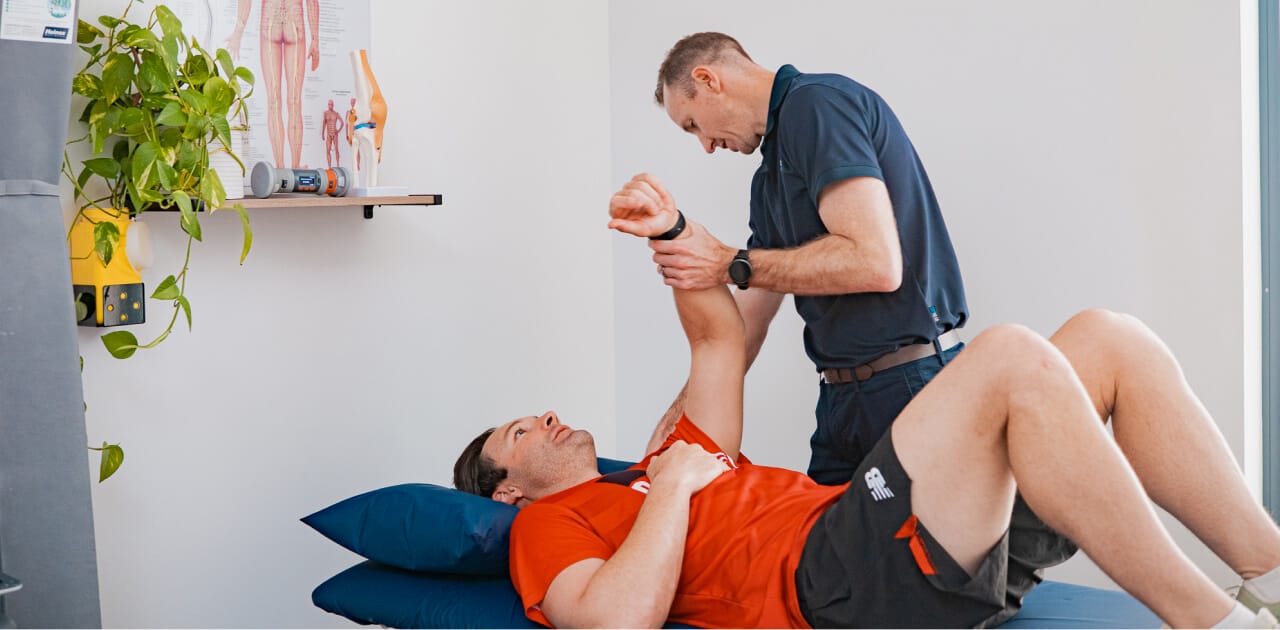
Elbow Pain From Throwing Sports + What To Do About It
by Jason Ryan, Senior Physiotherapist, Director & Throwing Sport Expert (Leeming & Palmyra clinics) If you’re a baseball player, cricketer or anyone who throws for sport, you’ve probably heard the old advice for elbow pain: stretch it out, rest and it will settle down. While not without merit—because yes, your pain will probably ease up a bit—this isn’t a long-term remedy as it fails to address the root cause. As former state league baseballers (and general sports tragics), we’ve been working with throwing athletes for 10+ years, from professional athletes to weekend players, and often see same pattern. This being: pain is coming from the elbow, yet the cause is rarely just the elbow. Stretching Alone Won’t Fix Thrower’s Elbow A good stretch is the first thing most people try, and it does have a place in treatment. But if stretching is all you’re doing you’re just managing symptoms. Here’s a fact that often surprises people: around 50% of the force you generate in a throw comes from your lower body and trunk. When that system is slow, weak or poorly timed, your arm picks up the slack. So, when your arm is carrying more load than it should, your

Rehab With Feisal: 8-Week Achilles Injury
by Feisal Zaw, Senior Physiotherapist (Leeming clinic) + Murdoch University Melville (MUM) FC player I want to share my journey through an achilles injury I picked up early this year and take you through how I tackled it with a structured rehab plan. It all started in early January, on the eve of soccer pre-season. As a winger for Murdoch University Melville (MUM) FC in the state soccer league, I had maintained off-season fitness with running and strength work, but as soon I dived back into training my achilles immediately started complaining. Soccer is a very different beast to running in a straight line or gym work, characterised by lots of sprinting, rapid direction changes and explosive movements. As a physio, I know how this tendon behaves, and had experienced low grade achilles pain before. With tendons, there’s a point where they can adapt to intense work, but if you repeatedly push past it, the tendon is eventually going to react. And yet, I pushed through at training hoping it was a minor flare up – and because I was happy to be back out on the training park. The next morning the pain had worsened to 5/10, and that
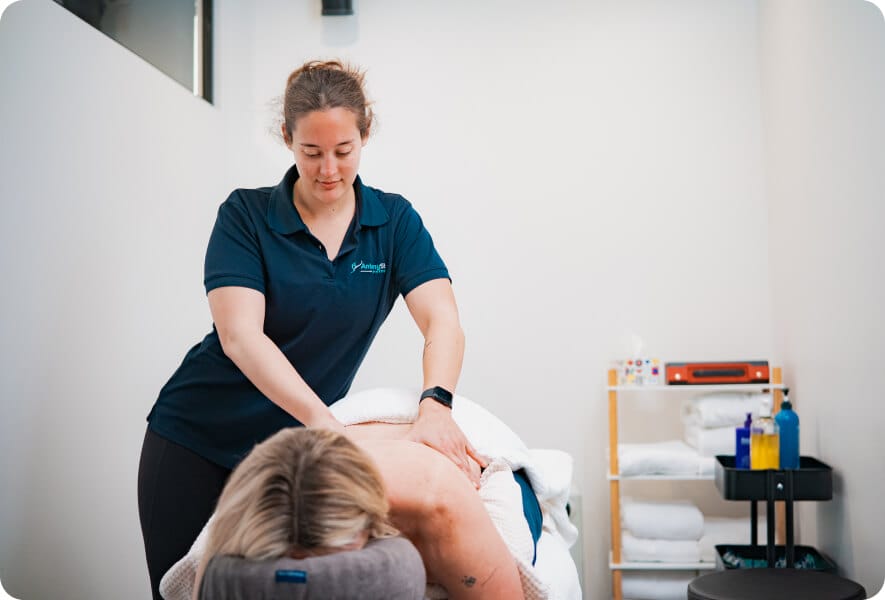
Prenatal and Postnatal Massage for Real Relief
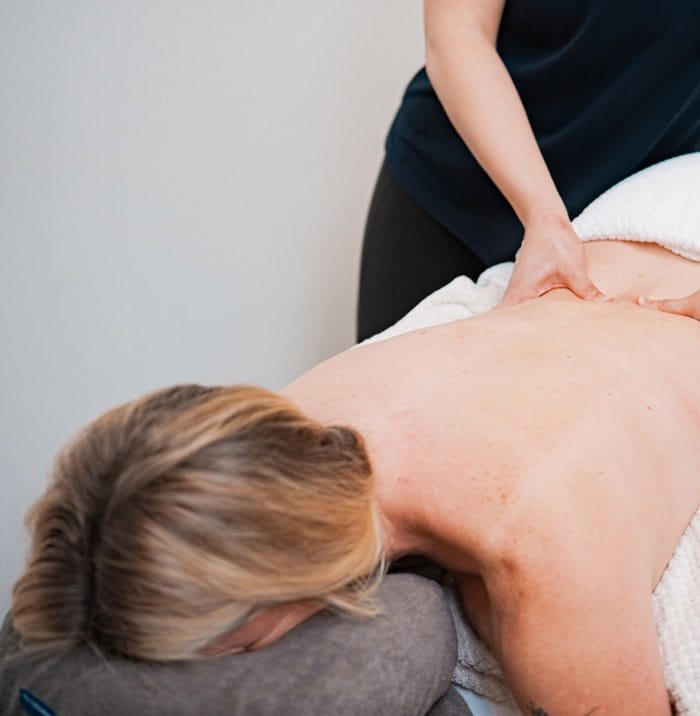
by Kirstyn Hush, Remedial Massage Therapist (Palmyra clinic) “I don’t want a relaxation massage.” This is the most common opening line when I treat pregnant or postnatal women. Closely followed by: “Please, just give me some relief.” Don’t get me wrong, there’s a time and place for a relaxation massage! But during and after pregnancy, quite often, isn’t it. When prenatal and postnatal patients come to me for remedial massage, they are often suffering from glute tension and persistent lower back aches, sometimes accompanied by sciatic-related discomfort radiating down one or both legs. Many of these issues can’t be fixed with warm oil and a soothing pan-pipe soundtrack (as lovely as they are). They require targeted, hands-on massage therapy that genuinely improves how patients move and feel. Why Hands-On Massage Matters in Pregnancy and Postpartum Whether you’re growing a human or have just had one, your body goes through enormous changes. Your pelvis, back and hips carry more weight than usual, your centre of gravity shifts, and hormones like relaxin make connective tissue more flexible. Muscles in your glutes and lower back have to work overtime, often in postures that irritate nerves such as the sciatic. After giving birth, you’re

Can Orofacial Myofunctional Therapy Help Reduce Snoring?
by Alvin Ho, Associate Physiotherapist & Orofacial Myofunctional Therapist (Leeming clinic) Snoring is a common problem that is frustrating for sufferers, and seldom discussed publicly. However, time and time again snoring is indicated in studies and surveys as an issue that causes marriage and relationship issues in areas like reduced intimacy, resentment and, commonly, sleep divorce – where partners sleep in separate rooms. Through my interactions with patients, I have learned that many people decide to simply live with it, and are often embarrassed to even raise the topic. Interestingly, most come to me not realising that there are solutions like orofacial myofunctional therapy (OMT) physio for snoring, which can help improve the situation long-term. In recent years, there are many products marketed to ‘fix’ snoring, including nasal strips and mouth tape. While they may be helpful in the short-term for some patients, many people do not see these products as something viable long-term. It’s hard to know if these product are suitable or safe for long-term use. For example, if a patient has a compromised airway from enlarged tonsils and adenoids, does mouth tape increase the risk of asphyxiation (lack of oxygen), when their muscles are relaxed during deep
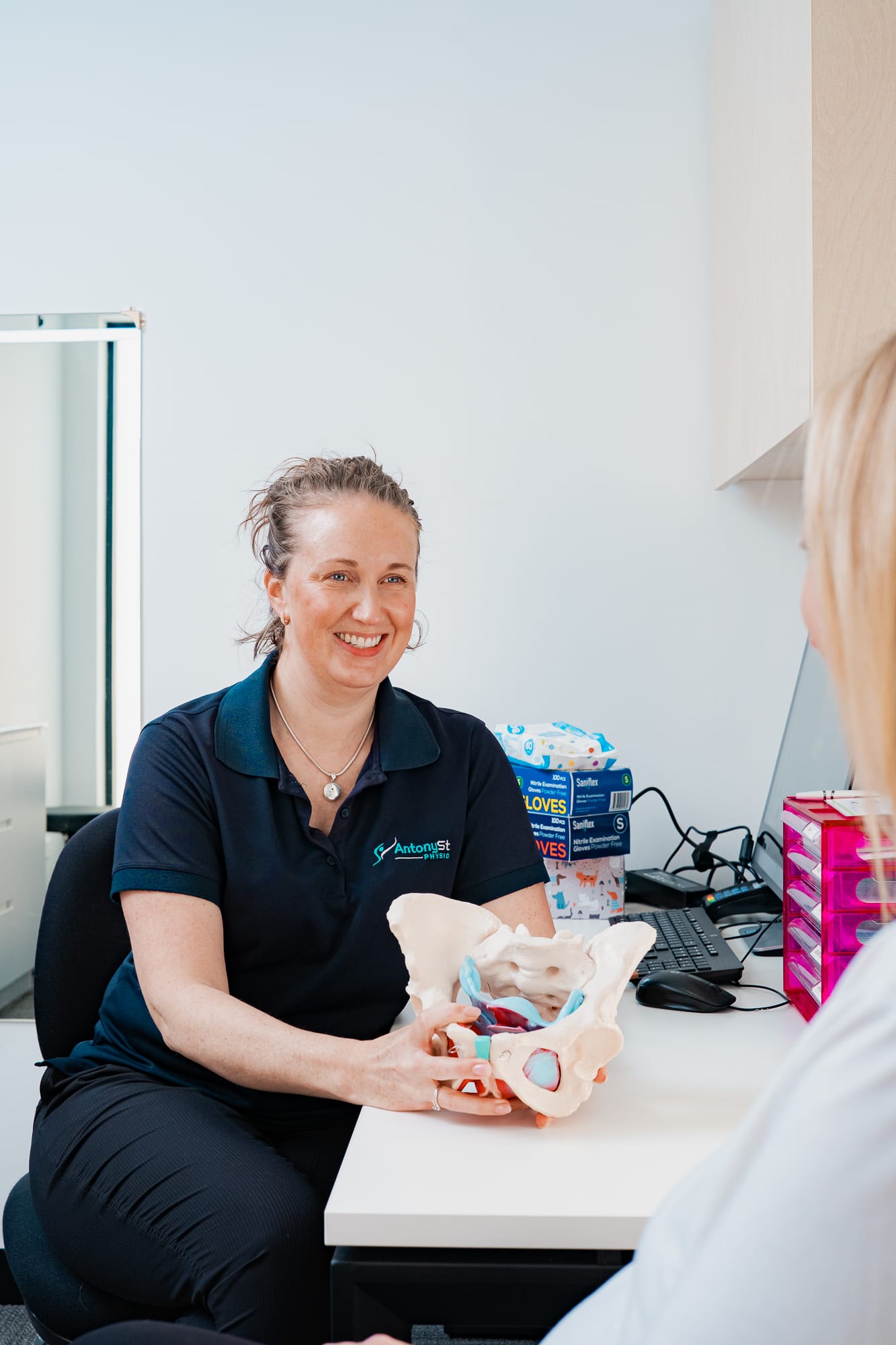
Understanding Your Pelvic Area
Advice From a Women’s Health Physio by Rebekah Taylor, Senior Physiotherapist – Womens & Men’s Health Trained (Palmyra, Mon-Tues) Let’s be honest: we’ve all heard about the pelvic floor. But most of us don’t give it much thought until something feels… off. Maybe it’s a small leak when you sneeze, a heaviness that wasn’t there before, or that nagging discomfort that makes you think twice about your morning run. Whether you’ve recently had a baby, you’re navigating perimenopause, or you’re just noticing things have changed, getting to know your pelvic floor can genuinely make a difference to how you feel day-to-day. What Is the Pelvic Floor, Really? The pelvic floor is the term used for a group of muscles that form the ‘floor’ of your pelvis. Without these muscles, all the organs would simply just fall out! These muscles are designed to hold vital organs in place as well as control toileting. They also have a really important role in sexual function and pleasure. So no matter what life stage you’re at, it’s important you maintain pelvic floor strength for reasons ranging from optimal sexual function to continence. The Everyday Signs Your Pelvic Floor Might Need Support There are many
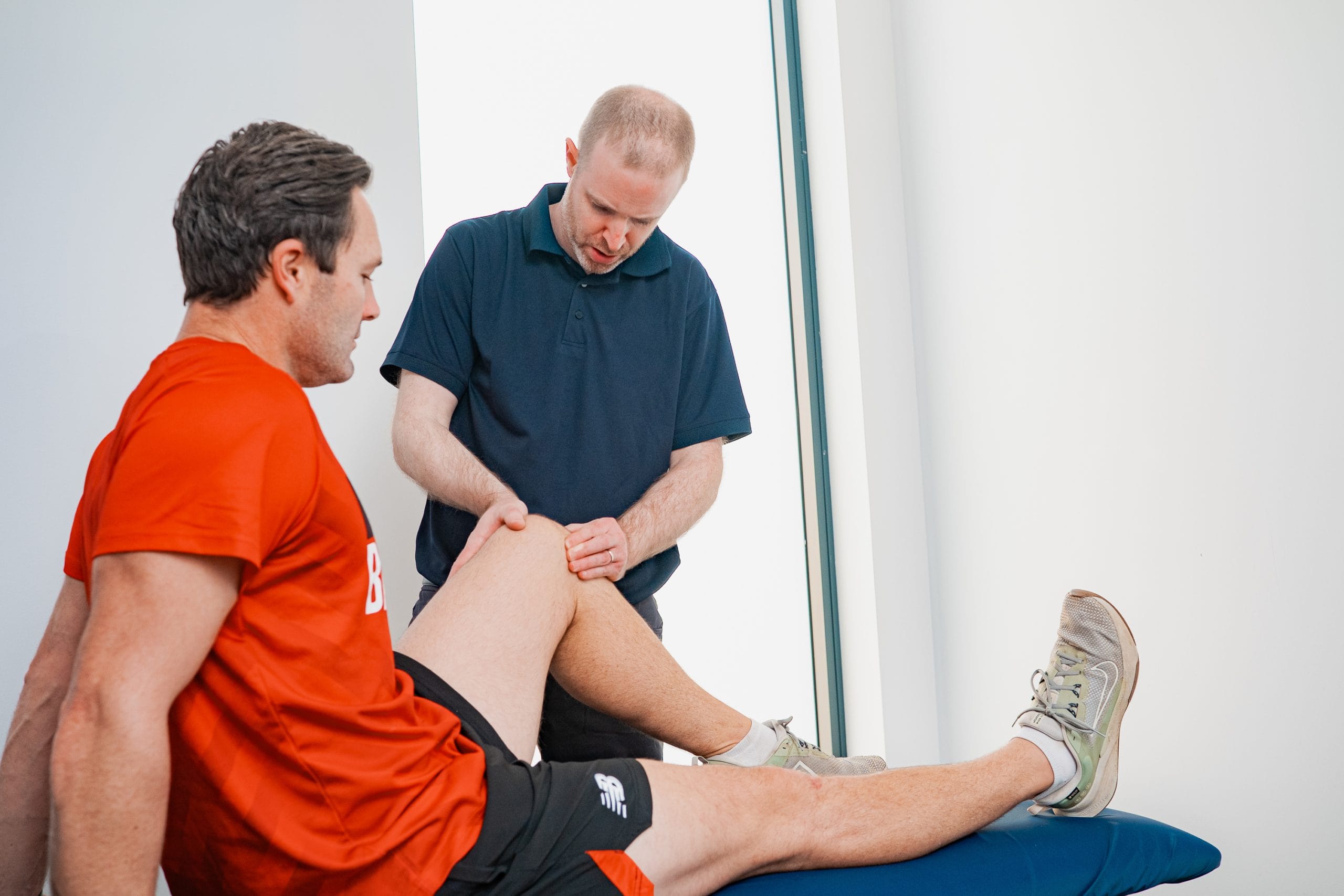
Decoding Your Knee Pain
by Feisal Zaw, Senior Physiotherapist (Leeming) Knee pain can be super frustrating. It can come at any time, whether you’re actively trying to get back on track with exercise, or doing simple daily tasks like running around after the kids or taking a flight of stairs. But the truth is, knee pain is almost never random – it’s a message. Your body is letting you know that it’s not coping with the demands you’re asking of it. So when you understand the message, you can address the underlying issue and get on top of it, rather than just chase symptom relief. Here are three of the more common messages that your sore knee might be telling you. Message #1: You’re Overloading It Overload is one of the most common messages that knee pain could be telling you, and one of the most frequent issues we see in the treatment room. Examples of this might include: It’s important to note that, in this case, your knee isn’t saying to stop training altogether. It’s saying: “I’m not prepared for this, yet.” The solution isn’t to never attempt this task again, but more to take a a progressive approach to loading within the
Hello… Is it Physio You’re Looking For?
Your body doesn’t come with a manual, so it’s normal to have questions when something feels off. That’s why we’ve written this blog: to answer some of the most common questions we get from new patients, and to provide a bit of general 101 about what physiotherapists do. From a stubborn niggle to a recent injury, physiotherapy can help you move better, recover, reduce pain and keep active – understanding what to expect is the first step. What Physiotherapists Do If you’ve never been to a physiotherapist, it’s normal to wonder what will happen in your first session. Many new patients come to us unsure of what to expect, so let’s run through what a typical visit includes: The aim is simple: get you moving better and reducing discomfort, while giving you the tools to manage your health with confidence. (And yes, in case you are wondering, relief and improvement is possible after one session – but physiotherapy isn’t about quick fixes. It’s about helping you move better, reducing pain and preventing issues before they start). Benefits of Seeing a Physiotherapist Regularly Truth talk: we see a lot of patients for flare ups that could have been avoided with better

From a Knee Injury to a Breakthrough Season: A Young Athlete’s ACL Recovery
When you’re a teenager buzzing in Round 1 of the Junior AFL season, the last thing on your mind is a long rehab journey. But that’s exactly where Abby found herself after an awkward tackle left her in excruciating pain on the ground. Here’s how she went from being misdiagnosed and spending months on the sideline, to earning spots in the South Fremantle Football Club squad and the Freo Dockers Futures Academy. The Knee Injury: “Something wasn’t right” At urgent care after the injury, an X-ray showed bone shadowing, which Abby and her parents were told was ‘just her growth plates.’ The doctor prescribed a few days of ice and rest. But mum Sam’s gut said otherwise. So, they booked an appointment with Mac at Physio73 in Leeming – they had been coming to the clinic since day one and knew he would dig deeper. A Clear Diagnosis & Plan The moment Mac assessed Abby’s knee, he knew it wasn’t right. He consulted an orthopaedic surgeon, and Abby was soon sent for an MRI which finally revealed a diagnosis of ACL and meniscus strains. Given Abby’s age, her injury required careful management to avoid surgery. The surgeon’s advice was to

Your Body’s Survival Guide for Holiday Travel
Because nobody wants to spend Boxing Day using a heat pack. You’ve booked the flights and sorted accommodation. Maybe even wrapped a few presents early. But here’s what most people forget to plan for at this time of year: the 647 ways festival travel can wreak havoc your body.Cheap Airbnb mattresses (or the one at your parent’s place that you slept on as a kid), long drives where you wrench your spine around to yell at the kids, airport chairs designed to make you uncomfortable. The good news is that with a few simple exercises, you can arrive feeling loose, limber and ready to hit that annoying family member over the fence in backyard cricket. Pre-Travel Warm-up – Back Pain Prevention Exercises You wouldn’t go for a run without warming up (and if you do, you clearly aren’t listening to your physio!), so it’s not a good idea to sit for hours without doing one. Try this 3-minute pre-travel warm-up before you hit the road: These exercises activate your postural muscles before they are locked into position for hours. 2. Road Trip Ergonomics & Posture Tips for Back Pain Good posture can prevent the dreaded ‘arrival back’ – AKA that