Using state-of-the-art VALD technology to aid recovery
The future of rehabilitation is in the accurate testing and tracking of your muscle strength and power. Our VALD strength testing equipment now makes this possible in the clinic, providing us with accurate data to help inform your treatment or recovery.
What is VALD strength testing and is it right for me?
VALD strength testing gives us insights into how your body is working and where you sit in your rehabilitation. Our physiotherapists can then prescribe appropriate exercises to get you back to restriction-free movement as soon as possible.
Who is VALD Strength Testing For?
It’s ideal for athletes tracking performance, people undergoing rehabilitation after injury or surgery, and anyone wanting a clear picture of strength and movement. VALD can also be used preventatively by identifying muscle strength imbalances, so potential issues are identified before they turn into injuries.
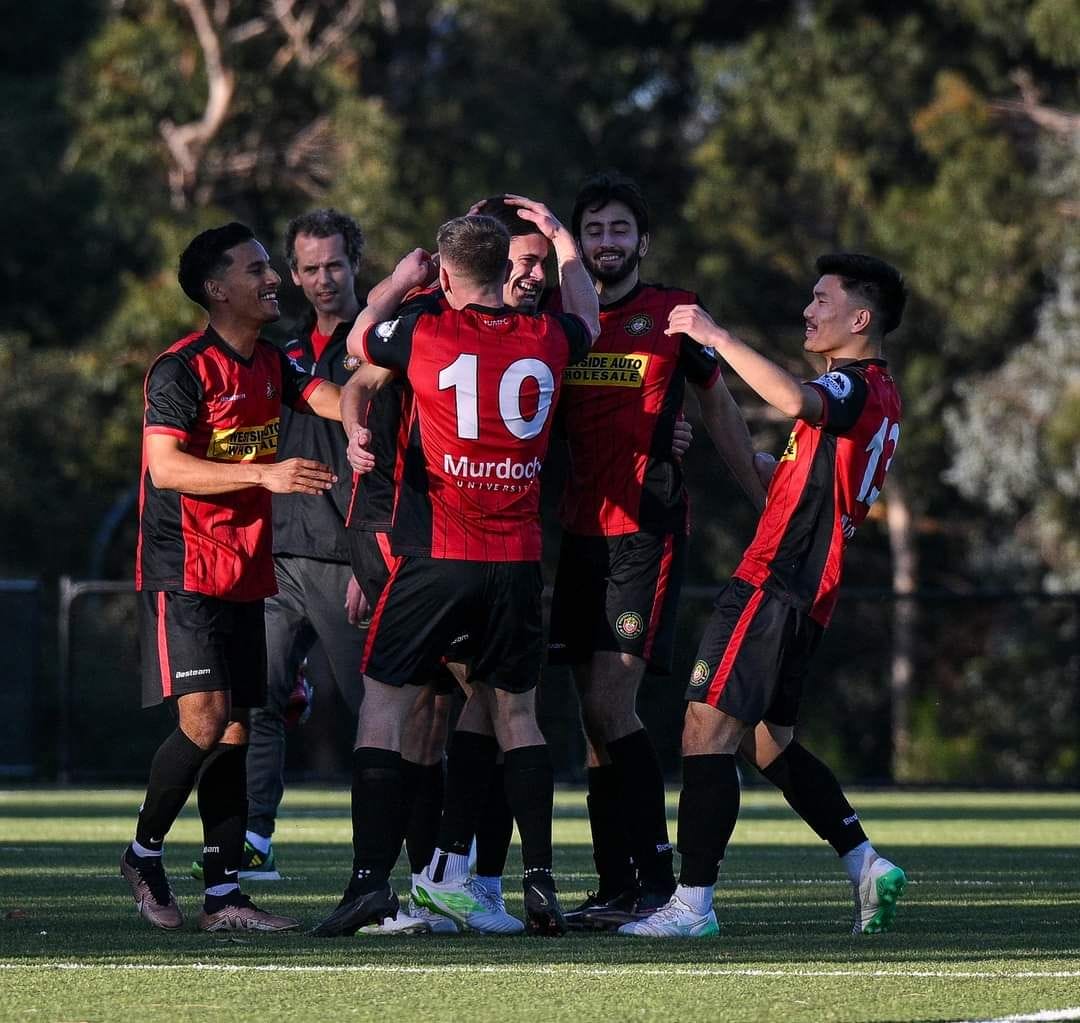
As sports physiotherapists in Perth, many social, amateur and professional sportspeople come to us for VALD strength assessments, from baseball players to golfers, tennis players to cheerleaders.
If you would like a rehabilitation plan driven by data, or you want to optimise your body’s performance, book a VALD assessment here.
VALD strength testing equipment and process
If you come for VALD assessment, your physiotherapist will test different regions of the body utilising one or more of the following:
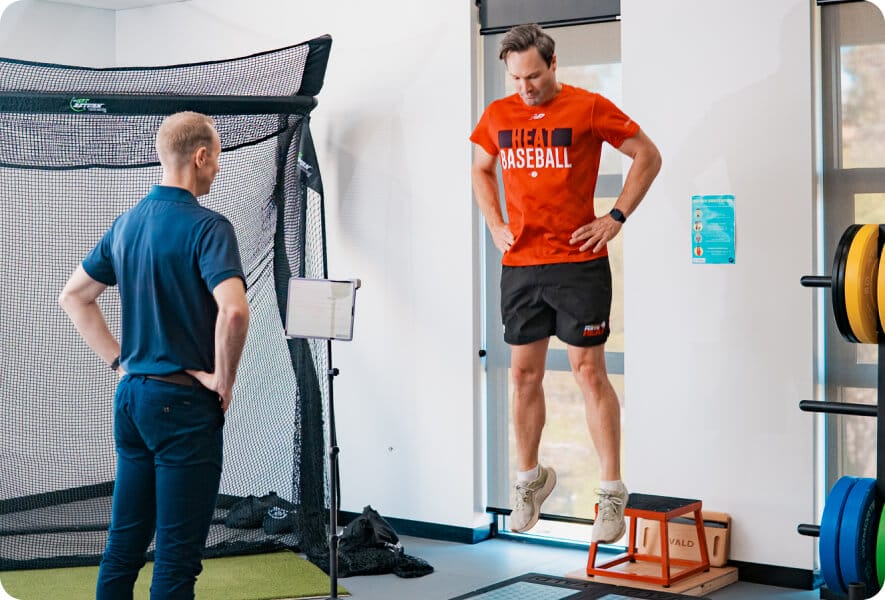
Force decks are used to assess:
- Jumping, landing and asymmetry from left to right.
- Reactive strength (how quick you can move and with how much power).
- Upper body strength (rate of force development – RFD) and peak force (how much raw strength you have).
The HHD is used to assess:
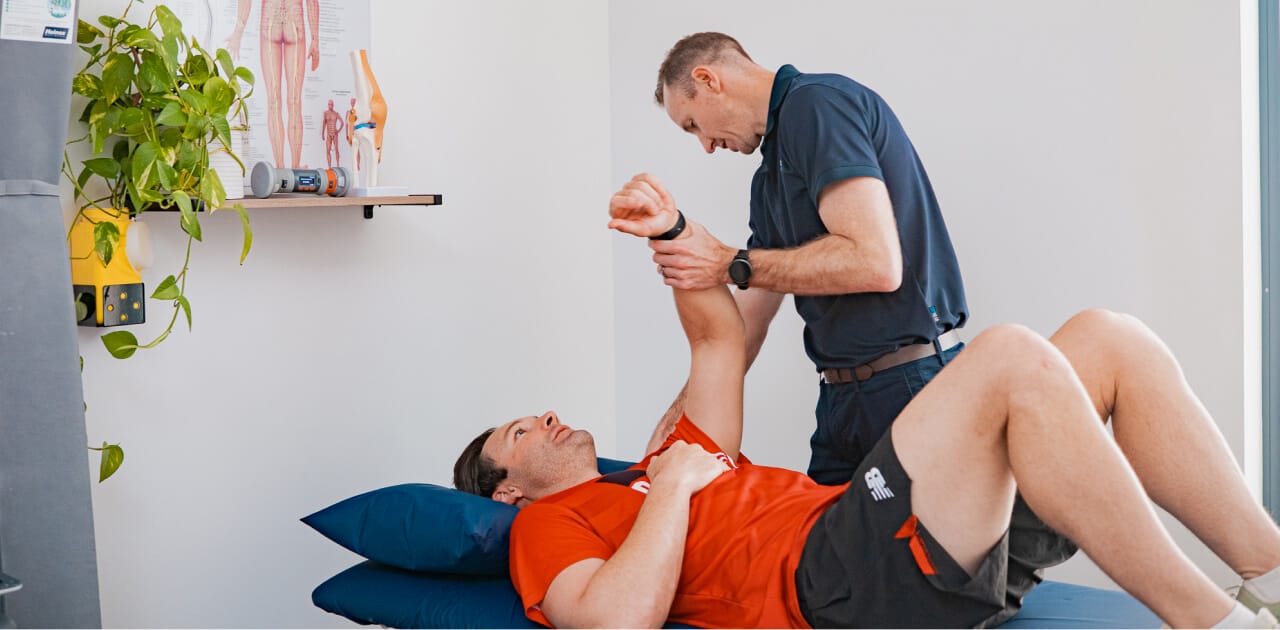
- Shoulder force (rotator cuff movements), shoulder pushing up, shoulder pulling.
The below testing can be used as an adjunct to a physiotherapy appointment, or as a targeted testing session.
- Single or up to 3 tests within a consult:
- Your physio uses these tests to help with their overall assessment.
- Used to assess conditions like tennis elbow, where grip strength is measured using HHD on each visit, to assess change in strength and pain when gripping.
- Targeted testing sessions:
- Your physio takes you through a pre-determined testing ‘battery’ (a range of tests specific to the person/athlete/profession).
- Used in baseball physio sessions to test rotator cuff, overall shoulder strength and lower body jumping power.
- Used in post knee surgery physio to test quadriceps (knee straighteners), hamstrings (knee bending) and squats (weight bearing capacity and symmetry).
- Used with certain professions to test shoulder pushing strength, pulling strength, squat strength and grip strength, allowing physios to report back to your doctor or workplace re your capacity to return to full (pre-injury) duties.
Baseball player case study
One of our regular Perth baseball clients came in for VALD strength testing, and the equipment picked up a subtle shoulder weakness before it caused any pain.
By tailoring a rehab program to address his specific issue, the patient was able to avoid injury and maintain peak performance during the season. Most importantly, he felt confident whenever he stepped out onto the field, as he knew exactly what to do and how to do it.

Conditions we treat
ATFL (ankle) sprain
An ATFL sprain refers to a sprain of the anterior talofibular ligament – one of the most commonly injured ligaments in the ankle. The anterior talofibular ligament connects the talus bone (in the foot) to the fibula bone (in the lower leg) and helps to stabilise the ankle joint.
An ATFL ankle sprain typically occurs when the ankle is twisted or turned in an unnatural position, causing the ligament to stretch or tear. This can happen during activities such as running, jumping, landing awkwardly or due to a sudden impact or fall.
Meniscus
The meniscus is a piece of cartilage in the knee joint that serves as a cushion between the thigh bone (femur) and the shin bone (tibia). There are two menisci in each knee, one on the inner (medial) side and one on the outer (lateral) side.
The meniscus is important for several reasons:
- It helps to distribute weight and force evenly across the knee joint, which can help to prevent wear and tear on the joint.
- It provides cushioning and shock absorption for the knee joint during movement, reducing the risk of injury.
- It helps to stabilise the knee joint by preventing the bones from sliding or rotating out of place.
- It helps to lubricate the knee joint, reducing friction between the bones during movement.
- It plays a role in proprioception, which is the ability to sense the position and movement of the body.
Despite a belief that meniscus injuries are most commonly a sporting injury, our physios see and treat this type of knee injury across all groups. Certainly, there are many athletes, particularly those who play sports with a lot of pivoting, twisting or sudden directional changes (such as tennis, basketball, football, skiing and soccer). However, we regularly treat adults and older people who experience natural wear and tear that weakens the cartilage in the knee joint.
Rotator cuff related shoulder pain
The rotator cuff is a group of four muscles and their associated tendons that work together to help stabilise and move the shoulder joint. Rotator cuff related shoulder pain is a common condition that is caused by damage or injury to the rotator cuff muscles and tendons in the shoulder joint.
Patellofemoral pain syndrome
Patellofemoral Pain Syndrome (PFPS) is a condition that causes pain around the kneecap (patella). It’s a common knee issue that occurs when the patella rubs against the thigh bone (femur), causing irritation and inflammation.
Patellofemoral Pain Syndrome can occur due to various reasons like overuse, muscle imbalance, injury or misalignment of the patella.
Latest from the blog
Practical physio advice and information to help you build resilience, prevent setbacks and stay active.